 Story Mode Guy
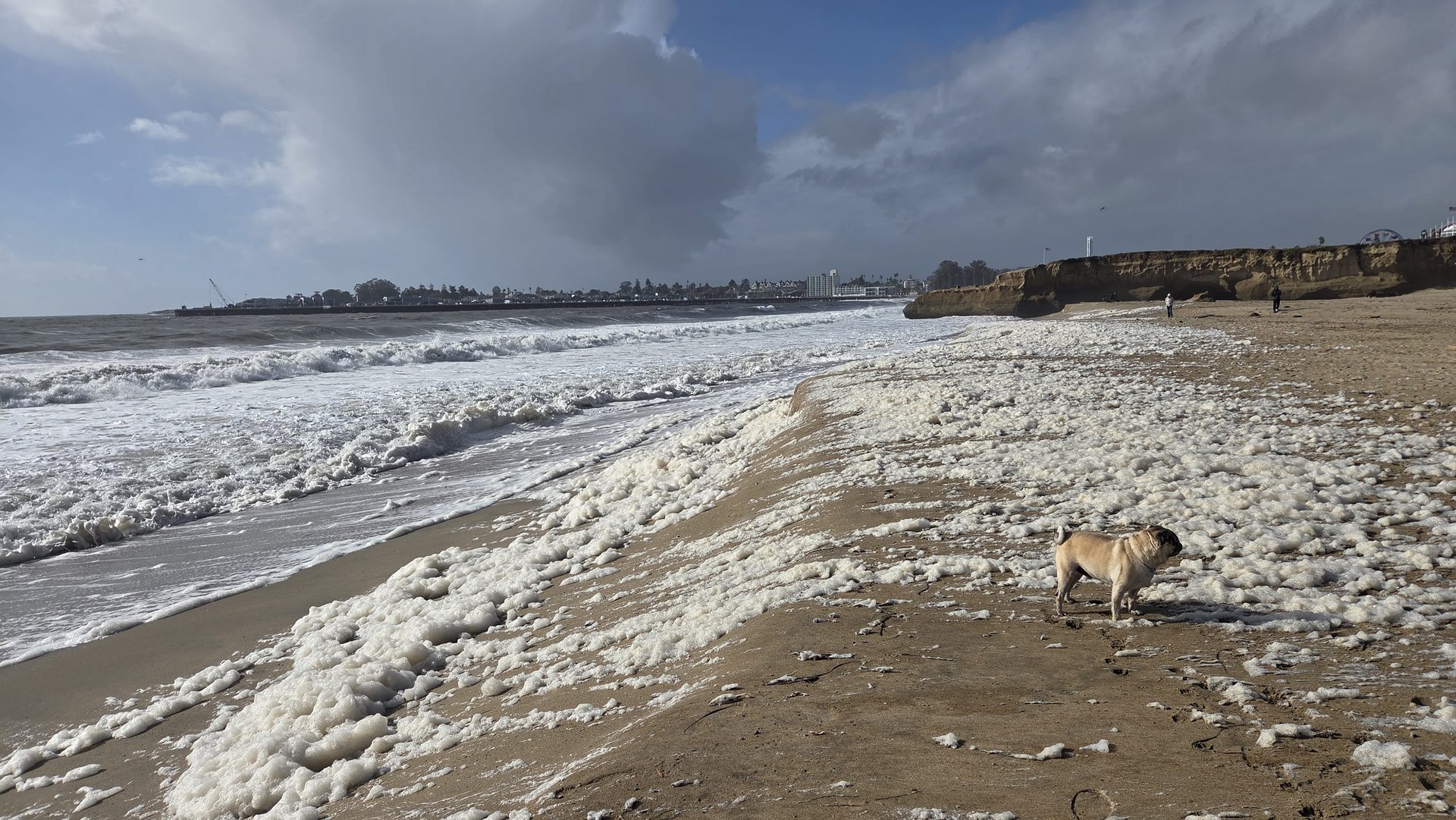
People ask me all the time about the best time of day for photos, and the honest answer is that it depends on what you want the picture to feel like. Light changes character hour by hour, and once you learn to read it, you'll know when to pick up the camera and when to put it down and get lunch. Living in Santa Cruz, where fog, marine layer, and low-angle sun all play on the same coastline in a single day, has taught me a lot about this.
Sunrise and early morning: quiet and clean
The hour around sunrise is soft, cool, and nearly empty of people. The sun is low, so shadows stretch out long and gentle. On the coast, you'll often get mist sitting over the water and calm surf, which makes for peaceful seascapes.
It's a great time for landscapes and for subjects that benefit from stillness. The trade-off is that it's dim, so you may need a tripod or a higher ISO. I usually start around ISO 200 and f/8 at about 1/125, then adjust as the sky brightens.
Golden hour: warm and flattering
Golden hour is the first hour after sunrise and the last hour before sunset. The sun sits low, so the light is warm, directional, and wraps around your subject. Skin looks good. Cliffs, grasses, and wooden piers glow.
For portraits, put the sun behind your subject for a glowing rim of light on the hair, then meter for the face. For landscapes, side-lit scenes show off texture. This is the window I plan most of my important shoots around. Because it moves fast, arrive early. The best light often lasts less than twenty minutes.
Midday: harsh, but not useless
Noon sun is overhead, which creates hard shadows under eyes, noses, and hat brims, and bleaches out highlights. Most photographers avoid it, and for good reason. But you don't have to put the camera away. Some things that work:
- Find open shade, like under a building overhang or a tree, for even portrait light.
- Shoot water and tropical-looking color. Midday sun makes the Monterey Bay turn a vivid turquoise.
- Go for high-contrast black and white, where harsh shadows become graphic shapes.
- Use a polarizing filter to deepen skies and cut glare on the water.
Start around f/8 and 1/500 at ISO 100, since there's plenty of light to spare.
Know what your camera should do in any light
The manual-mode guide shows you the exact settings to reach for in sunrise, harsh noon sun, shade, and everything in between.
Get the manual-mode guide ($27) →Overcast days: nature's softbox
Cloud cover is a huge, free diffuser. The light is even, with soft shadows and no squinting. It's ideal for portraits, flowers, and forest scenes, such as the redwoods up in the Santa Cruz Mountains, where harsh sun would create messy patches of bright and dark.
The one weakness is the sky: it's a flat white or gray, so frame it out or keep it a small part of the picture. Our summer marine layer works the same way and can give a beautiful, even glow at the beach.
Late afternoon and sunset: color and drama
After the golden hour begins and before the sun drops, you get the richest color. The sunset itself can be dramatic, but don't pack up when the sun goes down. Some of the best color arrives ten to twenty minutes later, when the clouds light up from below.
Exposing for a sunset is tricky because the sky is far brighter than the land. Expose for the sky so the colors don't blow out, then accept dark foreground shapes as silhouettes. A typical starting point is f/8, 1/250, ISO 100, adjusted to taste.
Blue hour: cool and moody
Blue hour is the stretch just before sunrise or after sunset, when the sky turns deep blue and city lights begin to glow. The wharf lights against a blue sky are a favorite of mine. The light is dim, so plan on a tripod, f/8, ISO 100 to 400, and a shutter speed in the range of 1/4 to a few seconds.
Match the light to the subject
Here's how I think about it when planning:
- Portraits: golden hour, or open shade at midday.
- Landscapes: sunrise, sunset, and the minutes on either side.
- Forests and flowers: overcast.
- Cityscapes: blue hour.
- Beach days with family: early morning or late afternoon, so everyone's eyes stay open.
Go look at the light
The best way to learn is to shoot the same spot at different times and compare. Try it with a single tree or bench, three times in one day. You'll quickly see what each hour offers. For a taste of how I've used coastal light, browse the gallery.